Source ce certified luggage digital scale for Travel, Shipping, and Logistics
Compare 30 ce certified luggage digital scale options from verified suppliers. Buyers can evaluate models with LCD or LED displays, varying capacities up to 300kg, and automatic measurement features for travel and shipping needs; compare the available evidence and request quotations based on your requirements.
Key considerations
Products List






Comprehensive Sourcing Guide
Ce Certified Luggage Digital Scale Sourcing Guide
Sourcing electronic weighing devices for travel requires careful attention to both technical precision and regulatory compliance. Buyers must navigate a market where product attributes vary significantly across different manufacturers and models. The core keyword highlights a specific intersection of utility and certification, demanding that procurement teams verify that the digital display and measurement accuracy meet international travel standards. This guide provides a structured approach to evaluating suppliers, ensuring that the selected scales are not only functional but also compliant with the necessary safety and electromagnetic compatibility regulations required for global distribution.
The procurement process begins with understanding the diverse range of available options, from compact personal scales to more robust industrial-grade units. While the focus is on luggage scales, the underlying technology often overlaps with general-purpose electronic balances. Buyers should prioritize suppliers who offer clear documentation on battery life, display type, and weight capacity. By establishing a clear set of verification criteria early in the sourcing journey, companies can avoid costly delays and ensure that the final products align with their brand’s quality expectations and the specific needs of their end-users in the travel accessories market.
Product Scope and Observed Listing Signals
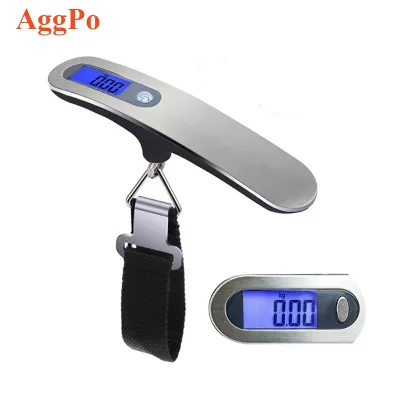
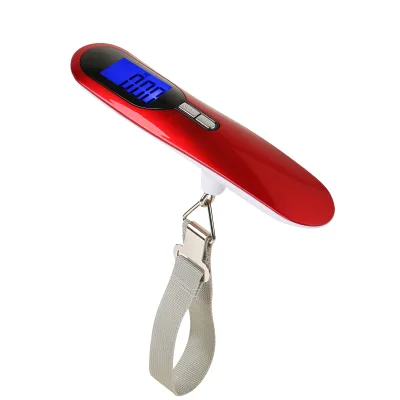
The current market landscape for digital weighing devices includes a wide variety of models, each with distinct physical and functional characteristics. Observed listings indicate a broad spectrum of product models, such as L5, ADK, DG1, L6, L3, and PL, suggesting a highly fragmented supply base. These models often feature different display technologies, including both LCD and LED options, which can impact readability in various lighting conditions. Buyers should carefully review the specific model numbers associated with their requirements, as the internal components and sensor types, such as resistance strain gauges, may vary even within the same product category.
Physical attributes and packaging details are critical for logistics and retail readiness. Many observed products originate from Guangdong, China, and utilize materials like ABS plastic for durability. Packaging ranges from individual color boxes to gift boxes combined with master cartons, with outer carton sizes varying significantly to accommodate different quantities. For instance, some listings specify outer carton dimensions of 53x32x37 cm containing 100 pieces, while others indicate 57x34x42 cm for 36 pieces. Understanding these logistical parameters is essential for calculating freight costs and warehouse storage requirements, ensuring that the procurement plan accounts for the physical footprint of the inventory.
Technical Specifications to Verify
Technical verification must focus on the core performance metrics that define the utility of a luggage scale. Key specifications to validate include weight capacity and graduation precision, which directly affect user trust and product reliability. Observed data points to capacities ranging from 10kg to 300kg, with graduations as fine as 5g or 10g for smaller units, and 100g for heavier industrial scales. Buyers must confirm that the selected model’s capacity aligns with the intended use case, whether for personal luggage or commercial cargo. Additionally, the unit of measurement, typically Kg, Lb, or Oz, should be clearly defined to ensure compatibility with the target market’s preferences.
Power supply and environmental resilience are equally important technical considerations. Most observed models operate on standard AAA batteries, with some requiring two or three cells, which impacts long-term maintenance costs for the end-user. Features such as tare functions, overload protection, and dynamic data stabilization treatment enhance the user experience by providing accurate readings under various conditions. Buyers should also verify the reading type, such as scale body display, and ensure that the device offers magnetic insulation or other environmental protections if intended for use in challenging conditions. These technical details must be explicitly confirmed in the product datasheet before placing any orders.
Compliance and Safety Documentation
Regulatory compliance is a non-negotiable aspect of sourcing electronic devices for international markets. The core keyword emphasizes CE certification, which indicates conformity with health, safety, and environmental protection standards for products sold within the European Economic Area. Buyers must request valid CE certificates from suppliers and verify that the testing was conducted by an accredited body. While RoHS certification is also mentioned in background data, it is crucial to confirm that the materials used in the scale, particularly the plastic components and electronic circuits, comply with restrictions on hazardous substances. This documentation protects the buyer from legal liabilities and ensures market access in regulated regions.
Beyond certification, buyers should assess the supplier’s ability to provide comprehensive technical files and test reports. These documents should include details on electromagnetic compatibility, low voltage directives, and battery safety standards. It is advisable to request sample units for independent verification of compliance claims before committing to large volume orders. Additionally, buyers should inquire about the supplier’s quality management systems and whether they adhere to international standards for manufacturing consistency. Ensuring that all compliance documentation is up-to-date and transferable is vital for maintaining brand integrity and avoiding customs delays at the destination port.
Cost Drivers and Commercial Terms
Understanding the factors that influence pricing is essential for effective budget management and negotiation. The observed price range for these products spans from 1 to 50 USD, reflecting significant variations in quality, features, and order volume. Key cost drivers include the complexity of the electronic components, the type of display used, and the durability of the materials. Higher graduation precision and additional features like tare functions or backlighting typically command higher prices. Buyers should analyze the cost structure relative to the specified capacity and graduation, ensuring that they are not overpaying for features that do not align with their product strategy.
Minimum Order Quantities (MOQ) and payment terms also play a significant role in the total cost of ownership. Observed MOQs range from 1 to 3000 pieces, offering flexibility for both small startups and large enterprises. Buyers should negotiate MOQs based on their sales forecasts and storage capabilities, considering the potential for custom packaging or branding options. It is important to clarify whether the quoted price includes packaging materials, such as color boxes or master cartons, and to understand the lead times associated with different order sizes. Transparent commercial terms help prevent hidden costs and ensure that the procurement process remains efficient and predictable.
Supplier Qualification and Quality Control
Supplier qualification involves a rigorous assessment of manufacturing capabilities and quality assurance processes. Buyers should verify the supplier’s production capacity, ensuring they can meet demand without compromising quality. Factories located in Guangdong, China, often have established supply chains for electronic components, but buyers must confirm that these suppliers have robust incoming material inspection and final product testing procedures. Requesting references from existing clients and conducting on-site audits or third-party inspections can provide valuable insights into the supplier’s operational efficiency and commitment to quality standards.
Quality control measures should be explicitly defined in the purchase agreement, including acceptable quality limits (AQL) for sampling inspections. Buyers should specify the testing protocols for weight accuracy, battery life, and physical durability. It is advisable to implement a pre-shipment inspection process to catch any defects before the goods leave the factory. Additionally, suppliers should provide a clear warranty policy and after-sales support structure to address any potential issues that arise post-delivery. Establishing a strong partnership with a reliable supplier ensures consistent product quality and minimizes the risk of supply chain disruptions.
Long-Term Procurement Checks
Long-term procurement success depends on continuous monitoring of supplier performance and market trends. Buyers should establish key performance indicators (KPIs) to track delivery times, product defect rates, and responsiveness to issues. Regular reviews of these metrics help identify potential problems early and foster a collaborative relationship with the supplier. It is also important to stay informed about changes in regulatory requirements, such as updates to CE or RoHS standards, to ensure ongoing compliance. Proactive engagement with suppliers allows buyers to adapt to market shifts and maintain a competitive edge in the travel accessories sector.
Future-proofing the procurement strategy involves exploring opportunities for product innovation and customization. As technology evolves, new features such as Bluetooth connectivity or improved battery efficiency may become standard. Buyers should maintain open communication with suppliers to discuss potential upgrades or new model releases. Additionally, diversifying the supplier base can mitigate risks associated with single-source dependencies. By continuously evaluating the supply chain and adapting to changing customer needs, buyers can ensure that their product offerings remain relevant and high-quality in the long run.
FAQs
What display types are available for these electronic scales?
The available display types include LCD and LED options for clear readability. These scales feature automatic measurement methods and are designed with a square shape. They function primarily as weighing scales suitable for various units like kilograms, pounds, and ounces.
Can I customize the packaging for these digital scales?
Yes, customization is available for these electronic scales to meet specific buyer needs. The standard packaging options include color boxes, gift boxes, and master cartons. Some models also come with specific outer carton sizes to ensure safe transport during shipping.
Which battery types power these hanging hook scales?
These scales typically operate using 2PCS AAA batteries or 3xAA batteries depending on the specific model. The working type is often a hanging hook design, making them ideal for luggage weighing. They utilize resistance strain sensors for accurate readings.
What are the capacity options for these luggage scales?
Capacity options range from 10kg up to 40kg for smaller models and extend to 300kg for heavy-duty industrial versions. The graduation varies between 5g and 100g depending on the specific capacity selected. These units support multiple weight units including kilograms and pounds.
How are these electronic scales packed for shipping?
The scales are packed in color boxes, gift boxes, or master cartons depending on the order volume. Specific outer carton sizes vary, such as 53x32x37 cm or 57x34x42 cm, to accommodate different quantities. Each carton typically holds between 36 to 100 pieces.
What is the origin location for these weighing scales?
The products originate from Guangdong, China, or generally from China as a manufacturing hub. This location supports the production of various models including L5, ADK, and DG1 series. The origin ensures access to established supply chains for electronic weighing devices.
Which functions do these digital scales offer for users?
These scales offer tare and overload functions to enhance usability during weighing operations. They feature dynamic data stabilization treatment for accurate readings. The reading type is displayed directly on the scale body for immediate feedback to the user.